
Introduction
The Chambal Riverfront in Kota, meandering through the heart of Kota, Rajasthan, has always been a source of life, culture, and beauty for the city’s residents. The Chambal Riverfront in Kota is a treasure trove of natural splendor, historical significance, and immense potential for development. One innovative and artistic way to revitalize the riverfront and add a touch of culture is through the use of wall stickers. In this article, we will explore the rich history of the Chambal Riverfront, the role of wall stickers in urban art, and how this combination can transform Kota into a hub of artistic expression and cultural significance.
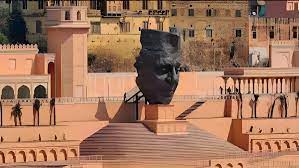
The Chambal Riverfront: A Historical and Cultural Gem
The Chambal River, flowing gracefully through the city of Kota, has a rich historical and cultural significance. The city of Kota is known for its ancient forts, palaces, and architectural marvels. The riverfront itself is an embodiment of nature’s beauty, with its serene waters and lush greenery, making it an ideal place for leisure and recreation. However, over the years, it has faced environmental challenges and neglect.
The Chambal River has a deep-rooted connection with the history and culture of Rajasthan. It has been a lifeline for the region, supporting agriculture, providing water resources, and serving as a hub of cultural activities. This riverfront has seen centuries of traditions, rituals, and festivities that have left a profound impact on the local culture. Hence, it is essential to revive and rejuvenate this invaluable asset.
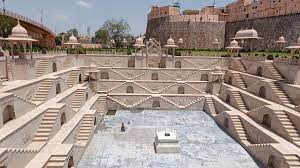
Urban Art and Wall Stickers: A Transformative Approach
Urban art is a burgeoning global phenomenon that transcends traditional boundaries, combining aesthetics, culture, and social engagement. It plays a crucial role in revitalizing urban spaces, adding a touch of creativity and beauty to often monotonous and mundane environments. Wall stickers are a vital part of this urban art movement, offering an innovative and cost-effective means to transform public spaces, buildings, and streets into canvases of artistic expression.
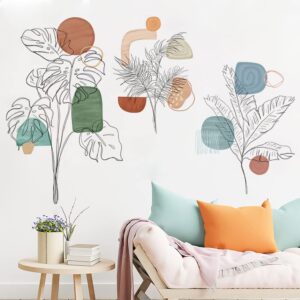
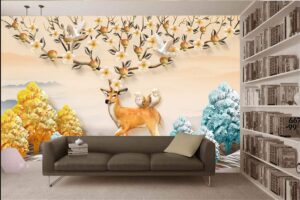
Wall stickers, also known as wall decals, are adhesive artworks that can be easily applied to walls and other surfaces. They come in various shapes, sizes, and designs, making them a versatile medium for artists and designers. These stickers can depict anything from abstract designs to realistic portrayals of nature, culture, and heritage. The ease of application and removal, along with their durability, makes them an ideal choice for enhancing public spaces.
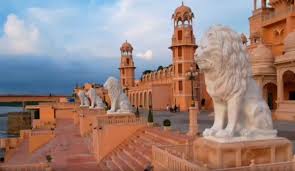
Chambal Riverfront as an Urban Canvas
The Chambal Riverfront in Kota offers a unique canvas for urban art. The combination of the river’s natural beauty and historical significance provides a compelling backdrop for artistic expression. By using wall stickers, Kota can harness this potential and transform the riverfront into a hub of creativity and culture. Here’s how:
- Preserving History: Wall stickers can be used to depict the rich history of Kota, showcasing its architectural marvels, historical figures, and cultural heritage. This not only educates visitors about the city’s past but also instills a sense of pride among the locals.
- Environmental Awareness: The Chambal River has faced environmental challenges, including pollution. Wall stickers can serve as a medium to raise awareness about the importance of preserving the river and its surroundings. Artworks depicting the need for a clean and green environment can motivate people to take action.
- Promoting Tourism: By using wall stickers to create visually stunning displays, the Chambal Riverfront can become a tourist attraction in its own right. Visitors will be drawn to the artistic beauty and cultural significance, which can boost the local economy.
- Community Engagement: Involving local artists and communities in creating and maintaining the wall stickers can foster a sense of ownership and pride among the residents. It can become a community-driven project that brings people together.
- Events and Festivals: The riverfront can host events and festivals celebrating art and culture. Temporary wall stickers can be used to promote these events, creating a dynamic and ever-changing artistic landscape.
Case Studies: Successful Urban Art Projects
Several cities around the world have successfully integrated urban art, including wall stickers, into their public spaces. These projects have not only revitalized the urban environment but have also promoted cultural and artistic expression.
- Berlin, Germany: The East Side Gallery in Berlin is a famous stretch of the Berlin Wall that has been transformed into an open-air gallery. Artists from around the world have adorned it with vibrant murals, making it a symbol of unity and freedom.
- Bogota, Colombia: The streets of Bogota are adorned with colorful graffiti art, transforming the city into an open-air art gallery. This urban art movement has become a tourist attraction and a source of pride for the city.
- Melbourne, Australia: Melbourne is known for its vibrant street art scene. Laneways and public spaces are covered in murals, stencils, and stickers, making it a hub for artistic expression.
- Philadelphia, USA: The Mural Arts Program in Philadelphia has transformed the city’s buildings and public spaces into canvases for artists to tell stories and convey messages. It has become a major tourist attraction and a source of community pride.
The Chambal Riverfront’s Potential for Transformation
The Chambal Riverfront in Kota holds immense potential for transformation through wall stickers and urban art. Here are some key aspects that make this an ideal project:
- Cultural Heritage: Kota has a rich cultural heritage, with its forts, palaces, and traditions. Wall stickers can be used to depict these cultural elements, preserving the city’s history for future generations.
- Natural Beauty: The Chambal River’s natural beauty is a sight to behold. Wall stickers can complement this beauty by adding artistic elements that blend seamlessly with the surroundings.
- Tourism Boost: A revitalized Chambal Riverfront will undoubtedly attract tourists and art enthusiasts. The vibrant art scene will make Kota a cultural destination.
- Community Involvement: Engaging local artists, schools, and communities in creating and maintaining the wall stickers will promote a sense of ownership and pride among the residents.
- Environmental Advocacy: Artworks depicting the importance of environmental preservation can inspire residents and visitors to take action in safeguarding the river and its surroundings.
- Events and Festivals: Hosting art-related events and festivals can turn the Chambal Riverfront into a dynamic cultural hub, where artists from different backgrounds come together to celebrate creativity.
Overcoming Challenges
While the idea of transforming the Chambal Riverfront through wall stickers is promising, it comes with its set of challenges. It is essential to address these challenges to ensure the project’s success:
- Regulatory Approvals: Any project involving public spaces and cultural heritage sites may require regulatory approvals and adherence to heritage preservation guidelines.
- Funding: Securing funding for the production and installation of wall stickers can be a challenge. Public-private partnerships, sponsorships, and grants can be explored as potential funding sources.
- Maintenance: Regular maintenance is essential to ensure the longevity and aesthetic appeal of wall stickers. This requires a dedicated team and ongoing funding.
- Community Engagement: Engaging the local community and ensuring their active participation in the project is crucial. It may require outreach and education efforts.
- Environmental Considerations: The use of environmentally friendly materials and practices is important, given the project’s proximity to the river. Consideration should be given to the environmental impact of the wall stickers.
Conclusion
The Chambal Riverfront in Kota is a priceless asset, and its transformation into a hub of art and culture through wall stickers is a visionary idea. By preserving its historical significance, promoting environmental awareness, boosting tourism, and engaging the local community, this project can revitalize the riverfront and create a lasting impact on the city’s cultural identity. Taking inspiration from successful urban art projects around the world, Kota can unleash its artistic potential, bringing together history, nature, and creativity to enhance the Chambal Riverfront and make it a global attraction. It’s time for Kota to take the plunge and adorn the Chambal Riverfront with the colors of culture and imagination.
Frequently Asked Questions (FAQs) about Chambal Riverfront in Kota and Wall Stickers:
- What is the Chambal Riverfront in Kota? The Chambal Riverfront in Kota is a picturesque area in the city of Kota, Rajasthan, along the banks of the Chambal River. It is known for its natural beauty, historical significance, and potential for development and cultural enhancement.
- What are wall stickers, and how do they relate to the Chambal Riverfront?Wall stickers, also known as wall decals, are adhesive artworks that can be easily applied to walls and other surfaces. They relate to the Chambal Riverfront as a creative and innovative means to transform the area into an artistic and culturally significant space.
- Why should the Chambal Riverfront in Kota be transformed with wall stickers?Transforming the Chambal Riverfront with wall stickers can help preserve its historical significance, promote environmental awareness, boost tourism, engage the local community, and create a vibrant cultural hub.
- What are some examples of wall sticker designs that can be used in this project?Wall stickers can depict various themes, such as historical landmarks, traditional Rajasthani art, environmental messages, and cultural elements. Designs can range from intricate patterns to realistic portrayals of nature.
- How can the local community get involved in this project?Local residents, artists, schools, and community groups can get involved in the project by participating in the design and installation of wall stickers, as well as in maintenance efforts. Community engagement is essential for the project’s success.
- What are the potential challenges in implementing this project?Challenges may include obtaining regulatory approvals, securing funding, ensuring ongoing maintenance, engaging the community, and considering environmental impacts, especially due to the project’s proximity to the river.
- Are there any successful examples of similar urban art projects worldwide?Yes, there are numerous successful urban art projects around the world, such as the East Side Gallery in Berlin, the street art of Bogota, Colombia, the vibrant graffiti art in Melbourne, Australia, and Philadelphia’s Mural Arts Program. These projects have transformed public spaces into artistic expressions.
- How can this project benefit tourism in Kota?By creating a visually stunning and culturally rich environment, the Chambal Riverfront can become a tourist attraction, drawing art enthusiasts, history buffs, and nature lovers to the city, thereby boosting the local tourism industry.
- What is the role of environmental awareness in this project?Wall stickers can be used to promote environmental awareness by depicting messages and imagery that encourage the preservation of the Chambal River and its surroundings. This helps in fostering a sense of responsibility for the environment among residents and visitors.
- What is the long-term vision for the Chambal Riverfront with wall stickers?The long-term vision is to transform the Chambal Riverfront into a dynamic cultural hub, where art, history, and nature seamlessly blend. It should be an ongoing project that celebrates Kota’s heritage and fosters community engagement and environmental responsibility.







Leave a reply